
The Sacred Forest of Kpassè
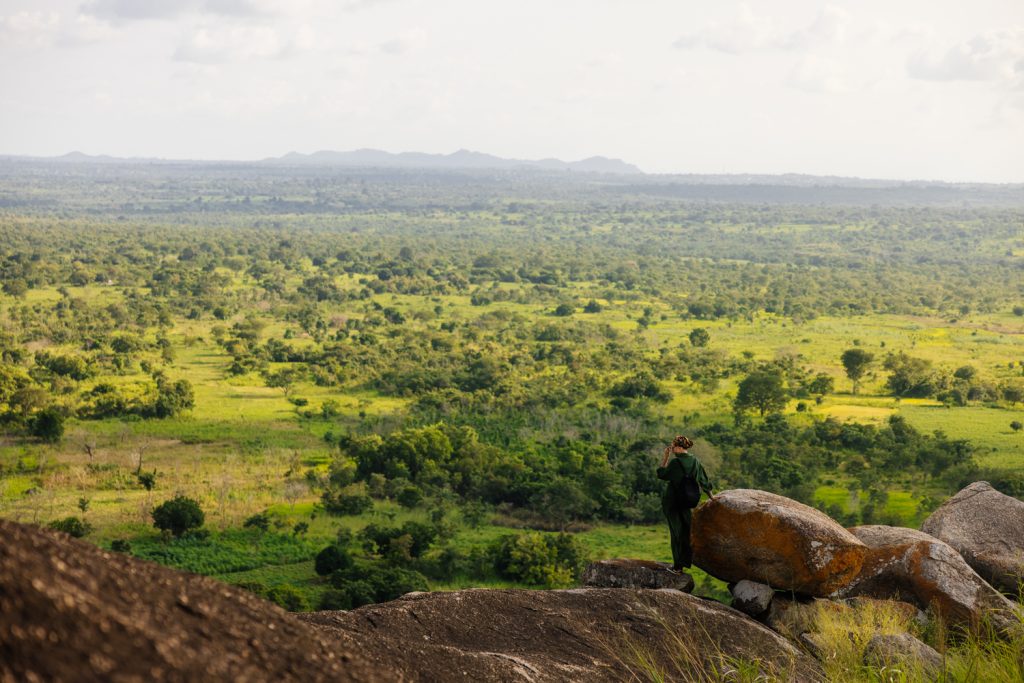
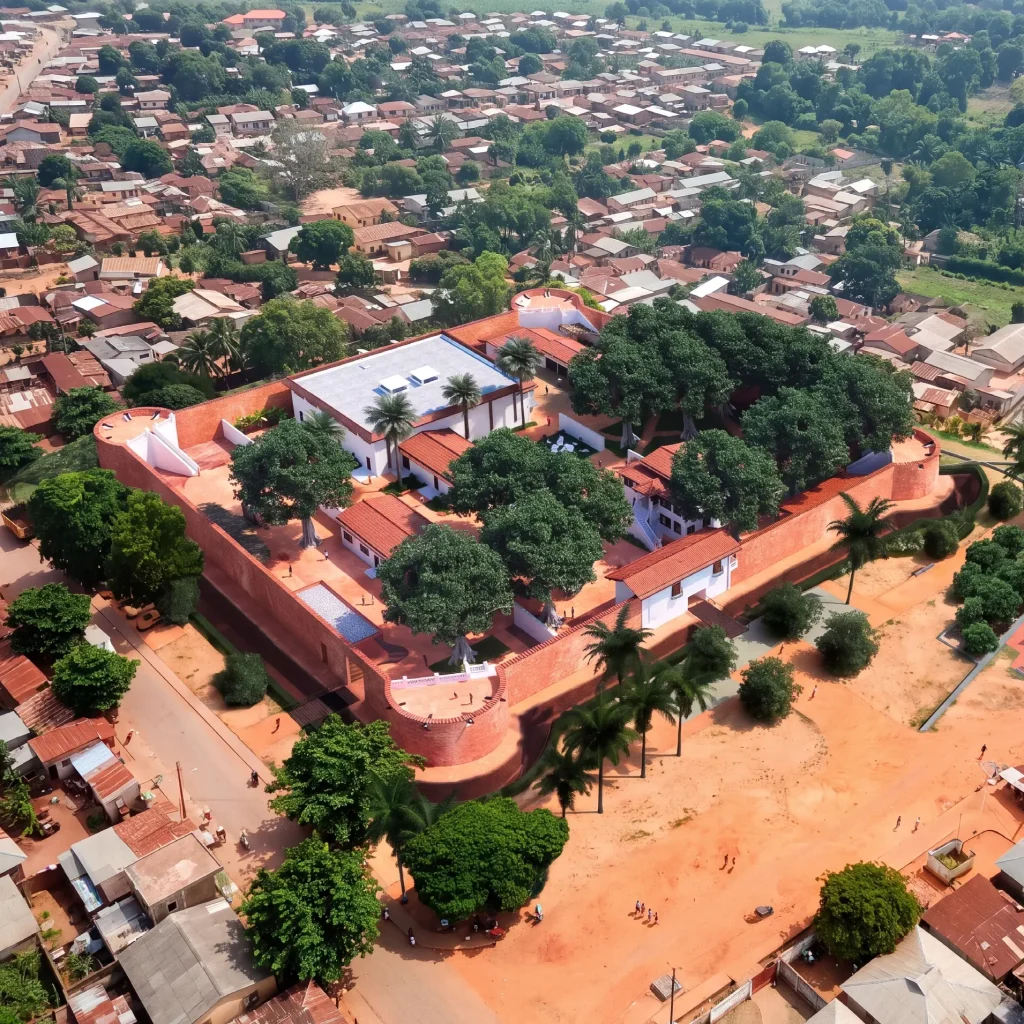
In the heart of the historic city of Ouidah, the Sacred Forest of Kpassè is an oasis of unspoiled vegetation: centuries-old trees, shaded trails, clearings, altars, and monumental sculptures depicting the principal Vodun deities of the Yoruba-Adja world. The temperature drops by a few degrees the moment you step inside. A natural sanctuary as much as a spiritual one, it ranks among Ouidah’s most iconic sites.
King Kpassè and the Sacred Iroko Tree
The Xweda, who migrated from Tado, in present-day Togo, in the early 16th century under the leadership of their ancestor Ahoho, founded the Kingdom of Sahè around 1550.
The forest is closely linked to the memory of King Kpassè, one of the rulers of Sahè. According to oral tradition, sensing his departure for the realm of the ancestors, the king chose not to leave behind an ordinary grave: endowed with powerful spiritual powers, he is said to have transformed himself into an iroko, a highly sacred tree, right in the heart of the forest. This transformation is said to have conferred upon the place its sacred character, which has been preserved to this day.
Since then, the forest has remained a place of worship, a site for the transmission of knowledge, and a place to celebrate the Vodun spirits. Renovated in 1992 and again in 2026 to welcome visitors while respecting its spiritual purpose, it offers an immersive experience of the deep connections that unite nature, culture, and spirituality in this place.
A door, a few steps — and beyond it, silence. You haven't left the city. You've just entered a different world

The experience
The noise of the city fades away at the entrance. You walk beneath the trees, along paths kept cool by the shade, and pass by the Vodun sculptures standing among the tree trunks. Cultural mediators tell you the story of King Kpassè, the symbolism behind each deity depicted, and what the forest means to those who still come here to celebrate.
Then they let you walk on alone for a while. That’s when the place works its magic. The silence, the filtered light, the presence of the trees—and this simple truth: the forest belongs to those who celebrate within it. You are welcomed there.

Access conditions
- When to go Every day
- Recommended duration 30 to 45 minutes
- Entrance 2000 FCFA
Reception area with information and ticket office. Designated parking. Public restrooms. Guided tours. Some areas may be closed on days of celebration: the site remains a place of worship.
Tailor-made stay
Contact Bénin Tours, the official Beninese tour operator dedicated to discovering the Benin destination.
Contact Bénin Tours (opens in a new tab, you'll be redirected to benintours.bj)
What's nearby?


 Coming soon
International Museum of the Memory of Slavery (MIME)
Coming soon
International Museum of the Memory of Slavery (MIME)
 Coming soon
Boat of Memory
Coming soon
Boat of Memory