

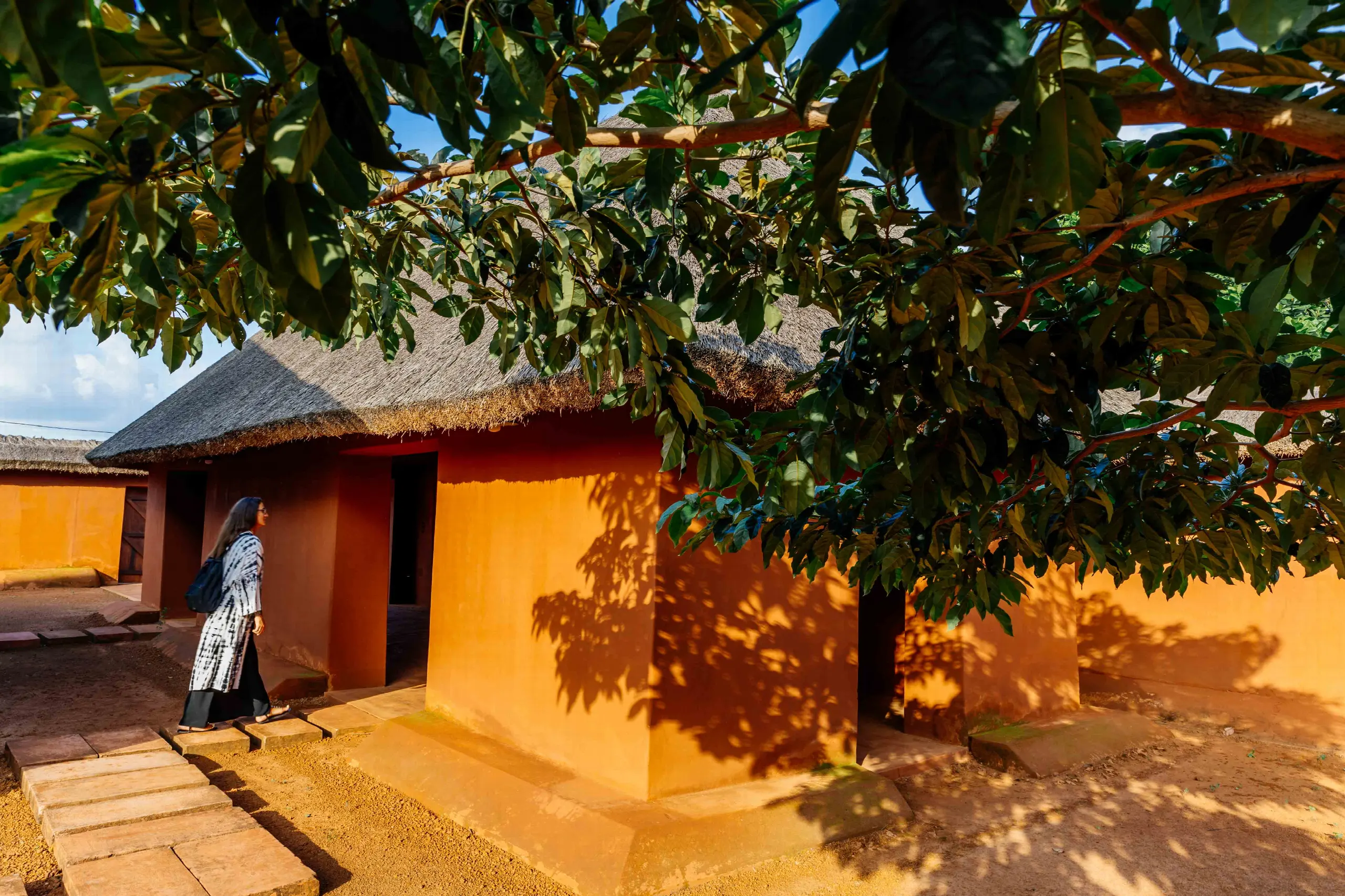
Being granted an audience with a king, from Abomey to Nikki Protocol, History, and Royal Traditions
Step through the threshold of a royal court, where every gesture has its meaning and every emblem its story, until you meet the sovereign.
A Story of Diversity
In Benin, the kingdoms are not closed chapters of history. Their courts carry on traditions, codes, symbols, and stories. In Abomey, whose palaces are listed as a UNESCO World Heritage Site, France’s return of royal treasures in 2021 has revived memories of the Kingdom of Danxomè.
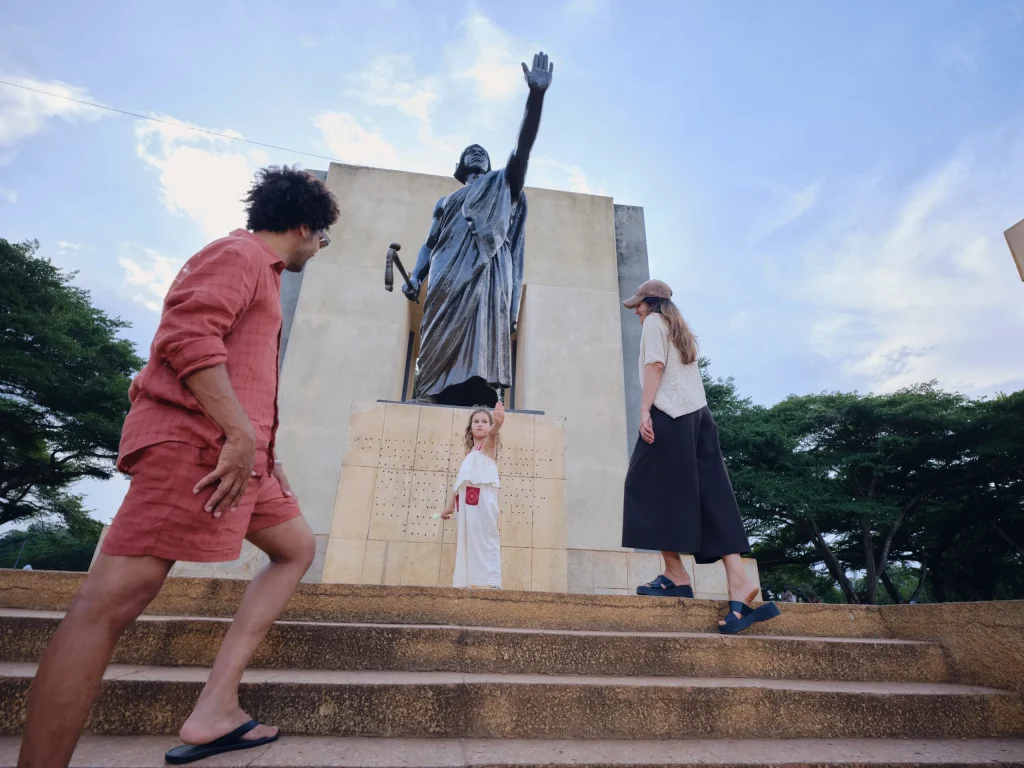
This return was experienced as a renewal of pride. A visit to a royal court must be arranged in advance, with a guide: one does not simply show up at a king’s residence unannounced. Once there, every detail of the protocol takes on its full meaning.
Highlights You Won't Want to Miss
- A reception by a dignitary: He will introduce you to the customary greetings, show you the symbols of power, and explain the role of each court official. This is a valuable introduction before you are presented to the king.
- The audience with the king: the most eagerly awaited moment. The conversation focuses on the kingdom’s history, its traditions, and the role of the monarchy in Benin today. Every word counts.
- One courtyard, one culture: each courtyard has its own customs, which your guide will help you observe. The “fon” culture is practiced in Abomey and Allada, the “yoruba (nago)” culture in Kétou and Savè, the “baatonu” culture in Nikki, and the “mahi” culture in Savalou.
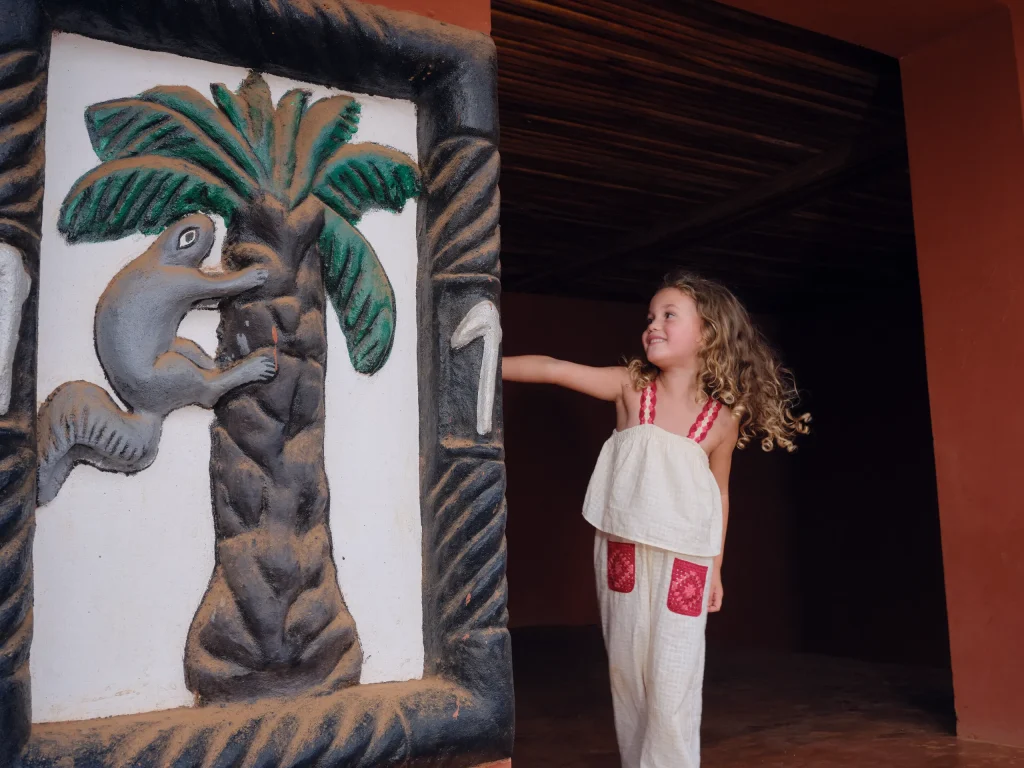
The Art of Hospitality
In Benin, people don’t simply “receive” guests—they “welcome” them: the royal courts are a vivid illustration of this. From one kingdom to the next, visitors are treated with respect, according to customs passed down from generation to generation. Make an appointment with your guide to prepare for this rare experience.