
The Vodun Convents Route Vodun in the Places Where It Is Still Practiced Today
Here, Vodun isn't just something you hear about: you encounter it in the places where it lives, is passed down, and is practiced.
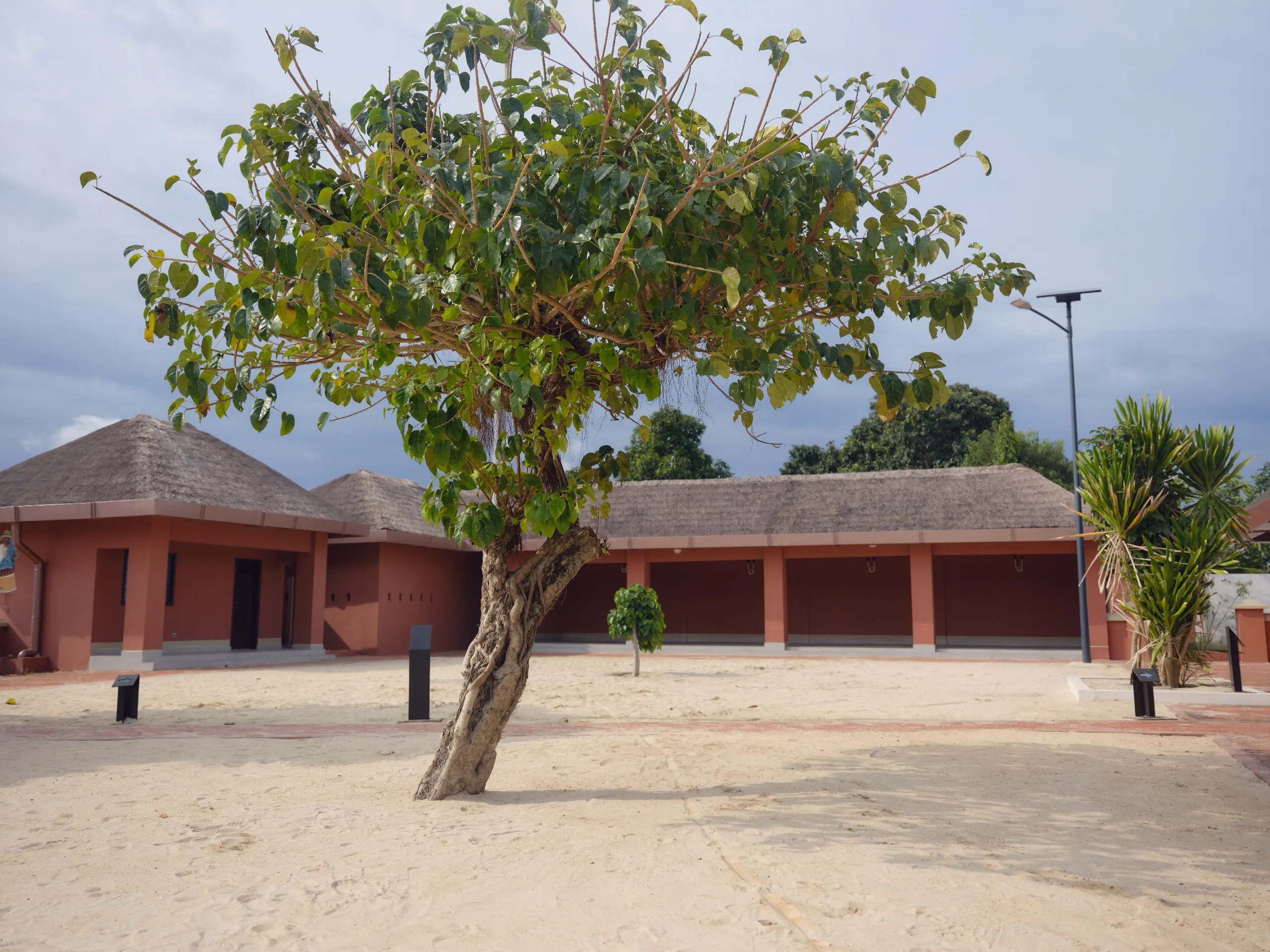
The Vodun Convents Route is a cultural and spiritual route that crosses the entire territory of Benin, from south to north, connecting the major Vodun convents and sanctuaries scattered throughout the country. It connects iconic stops spread across the major sites of the Gulf of Guinea (Ouidah, Adjarra, and their surroundings) and the spiritual centers of the interior, all the way to the central and northern regions where Vodun is expressed through the diversity of its local traditions. Each stop features places of worship, altars, ritual objects, sacred trees, and forests, all overseen by a religious community and initiated dignitaries. The sites are dotted with facilities dedicated to welcoming visitors (information centers, restrooms, signage, and exhibits and cultural outreach programs) designed with strict respect for the spiritual purpose of each location. The Vodun Convents Route is the world’s first structured tourist itinerary dedicated to the educational exploration of Vodun in the places where it is actively practiced.
Vodun is an ancestral spiritual tradition that dates back to the origins of humanity and took root in Africa, particularly in the Gulf of Guinea. Based on the recognition of an Absolute Being who created all the visible and invisible elements of the universe, it establishes a hierarchical order among perceptible creatures (earth, water, air, energy, humans, animals, plants) and imperceptible beings (spirits) and teaches the rules for proper interaction among them. Far from the folkloric or caricatured depictions that have long been attributed to it, Vodun is a structured religion, with its own theology and ethics, which promotes virtue and exemplary behavior within society.
Known by various names depending on the region of Africa, such as “Orisha,” “Bũunu,” “Fole,” or “Dibɔ,” Vodun spread across the Atlantic as a result of the transatlantic slave trade, where it has endured under the names “Candomblé” in Brazil, “Vodou” in Haiti, “Voodoo” in New Orleans, and “Santería” in Cuba. The convents are the living centers for the transmission of this spirituality: sanctuaries where the Vodun are invoked, where initiates learn the appropriate rituals, and where believers come to seek blessings for themselves and their community.
Long confined to the realm of secrecy, Vodun has been recognized in Benin as an integral part of the national heritage since 1992, with the establishment of a National Day of Traditional Religions, celebrated on the second Friday of January. The Vodun Convents Route builds on this recognition: designed by the government of Benin in close partnership with traditional authorities and religious communities, it showcases the theological depth of Vodun and its universal contribution to humanity’s cultural heritage. It complements the tourism and heritage ecosystem developed in recent years around the Route of the Enslaved, the International Museum of Vodun (MIV) in Porto-Novo, and the Vodun Days, offering visitors, for the first time, organized and respectful access to the very places where Vodun is practiced on a daily basis.
The experience
Don’t just go to “visit” a convent. Enter it with respect and let those who keep it alive welcome you and explain its customs.
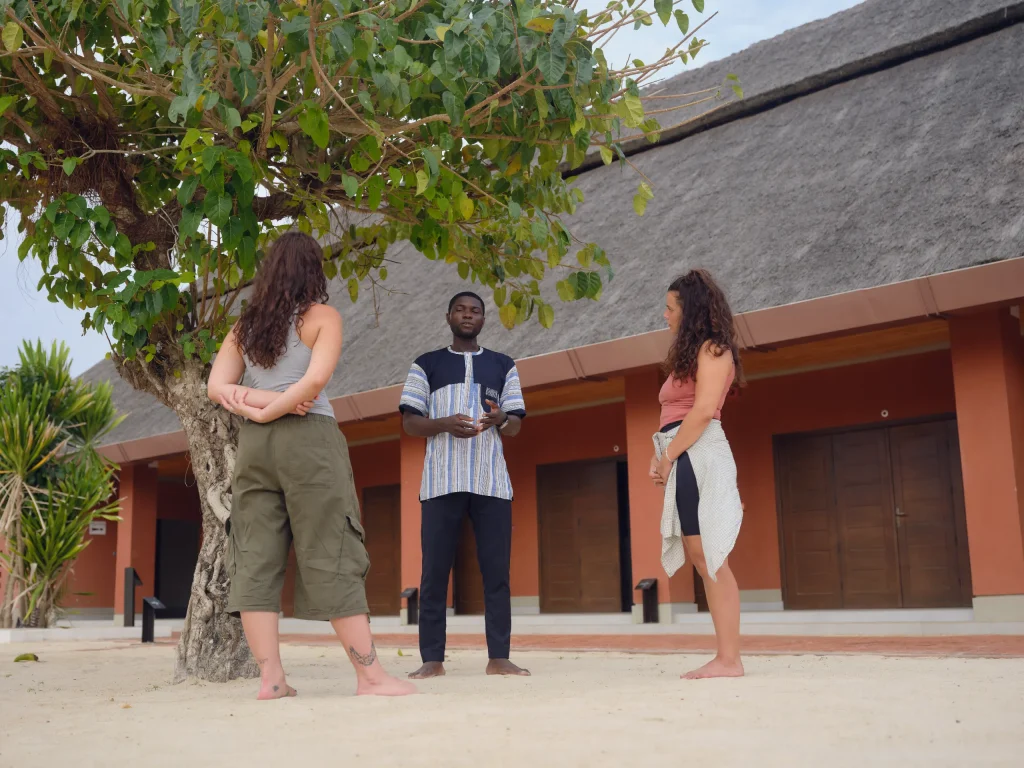
Accompanied by a cultural mediator trained by the community, begin by discovering the history of the site, its role in society, and the Vodun deities honored there. Observe the altars, sacred trees, artifacts, and ritual spaces open to the public. Listen to the stories that explain the relationships between the Vodun, humans, nature, and the ancestors.
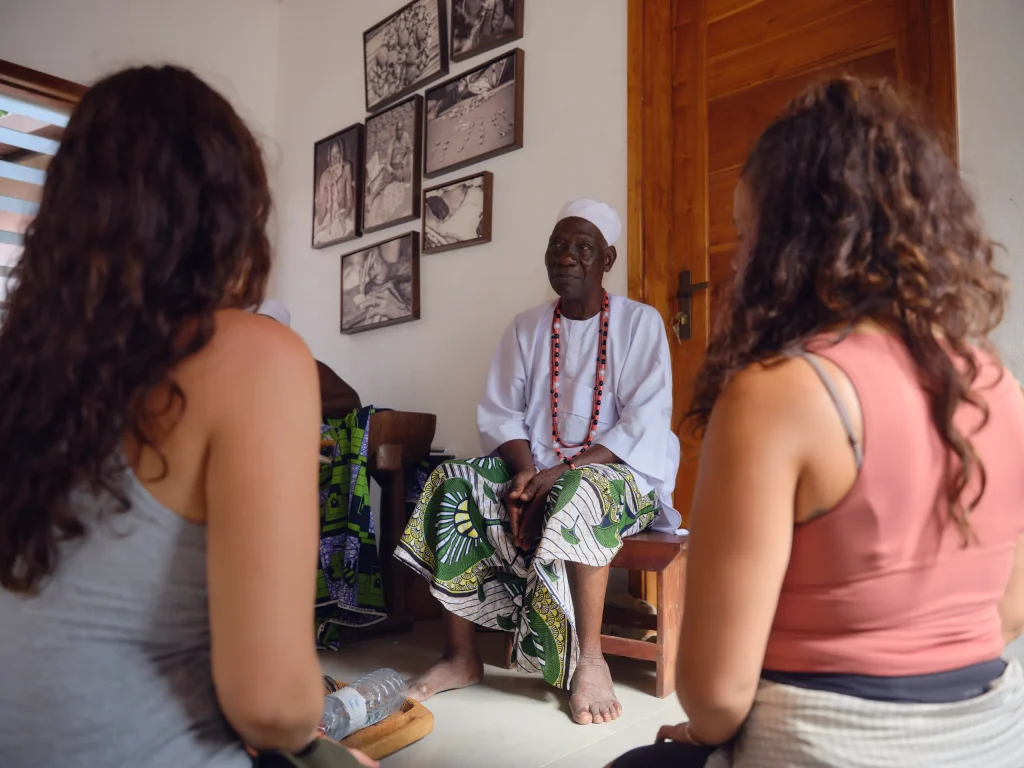
Depending on the location, the time of year, and the consent of the dignitaries, the experience may include a meeting with Vodunsi, an introduction to ceremonial songs and dances, or the observation of certain rituals. In places where it is permitted, visitors can also learn about the Fá and understand its role in seeking advice and guidance.
Each convent has its own history, unique features, and admission policies. The Route can therefore be explored in stages, over the course of a day or several days, as part of an organized tour or an independent trip.
As the journey unfolds, another image of Vodun emerges: that of a vibrant, complex spirituality deeply rooted in the societies that have passed it down from generation to generation.
What to discover nearby?
- Abomey: The Royal Palaces of Abomey, Danxome Museum of Kings and Amazons (MuRAD)
- Ouidah: The Route of the Enslaved, International Museum of the Memory of Slavery (MIME), Vodun Days (January) and JISTNA (August)
- Porto-Novo: International Museum of Vodun (MIV), Tour of the Renovated Vodun Squares – Porto-Novo
- Kétou: Museum, Royal Palace